Technologies

Robot Technologies

Industrial automation increasingly combines multiple robot classes. The right choice depends on payload, reach, speed, environment, safety, perception and integration complexity.

Industrial Robot Arms01

Industrial Robot Arms

Articulated 6-axis robots for heavy-duty, high-payload and high-reach industrial tasks.

Suitable applications
  • Welding
  • Material handling
  • Machine tending
  • Palletizing
Key selection criteria
  • Payload
  • Reach
  • Repeatability
  • Cycle time
  • Integration interfaces
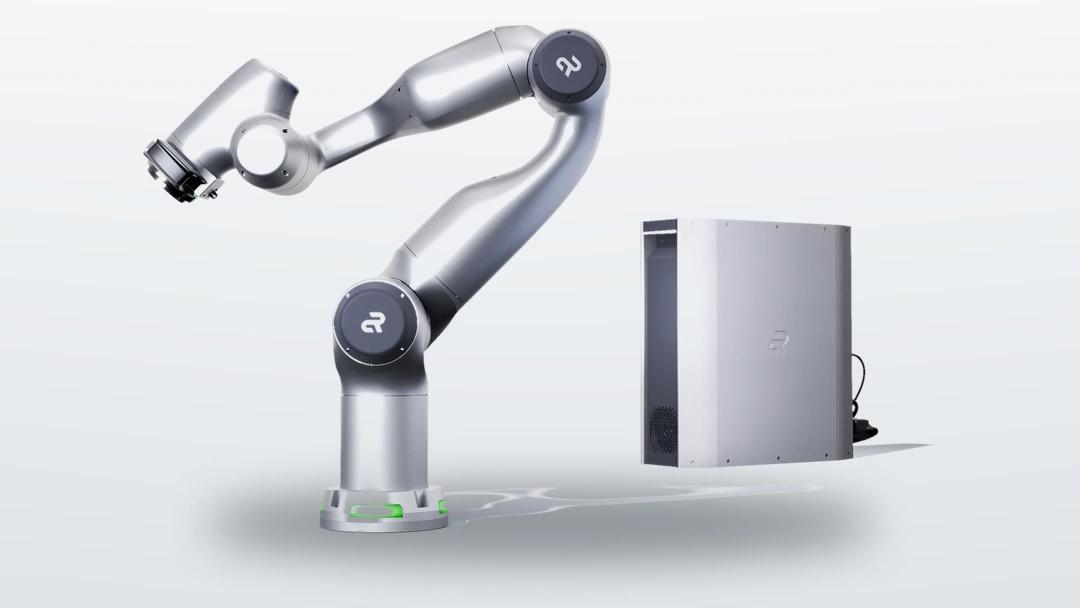
Collaborative Robots02

Collaborative Robots

Force-limited arms designed to operate near humans without traditional safety fencing.

Suitable applications
  • Assembly
  • Light machine tending
  • Quality tasks
  • Bench-top automation
Key selection criteria
  • Payload
  • Reach
  • Safety profile
  • Programming ease
  • Integration complexity
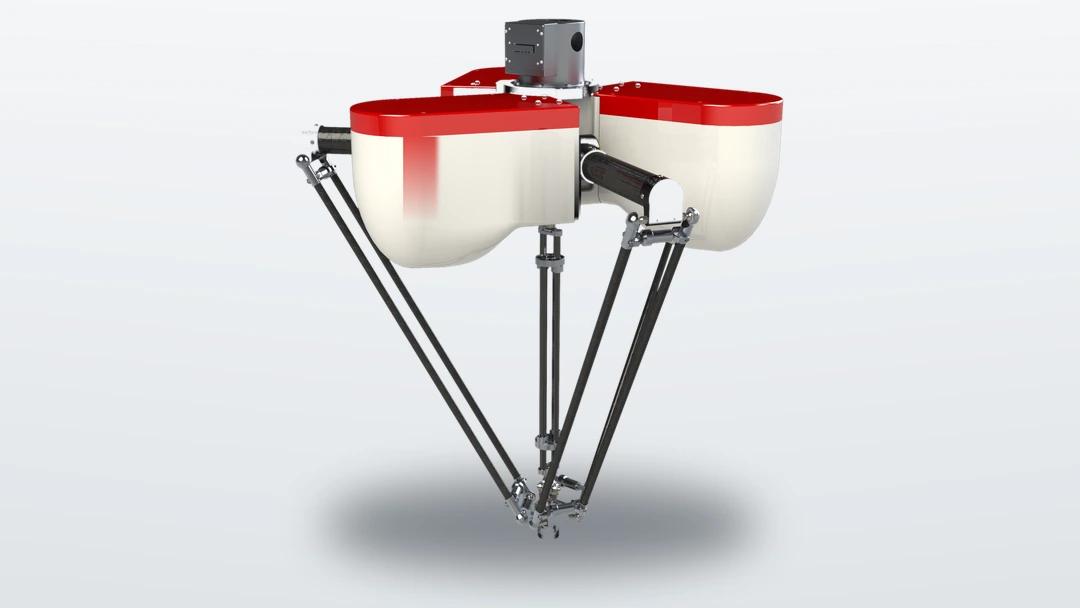
Parallel Robots03

Parallel Robots

Delta and parallel-kinematic systems for high-speed pick-and-place at low payload.

Suitable applications
  • High-speed picking
  • Packaging
  • Sorting
Key selection criteria
  • Throughput
  • Workspace
  • Vision integration
  • Hygiene class
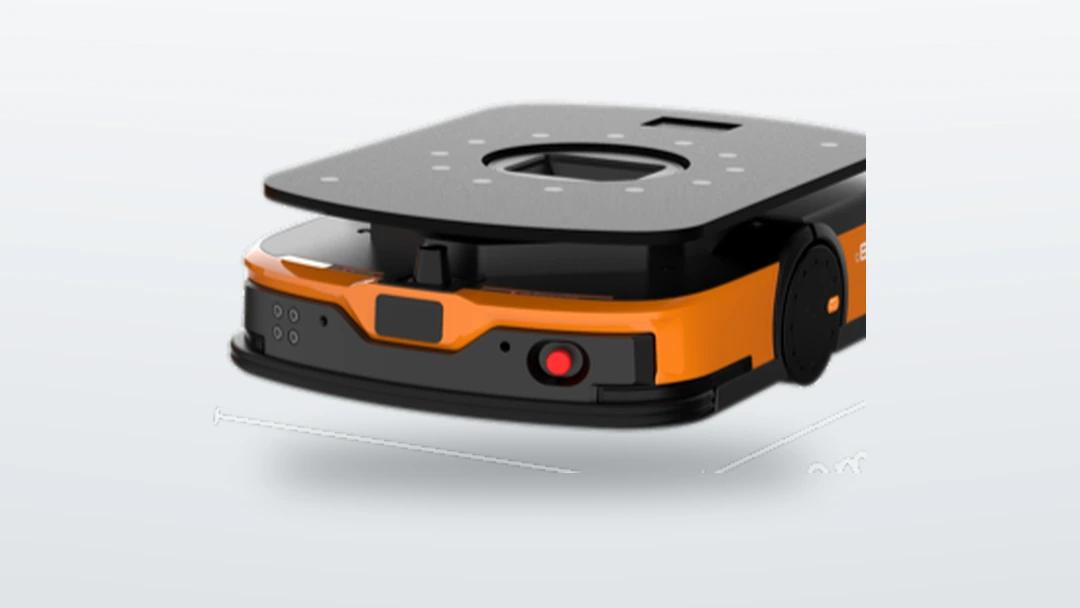
AMR / AGV / Mobile Robots04

AMR / AGV / Mobile Robots

Autonomous and guided mobile platforms for material flow in warehouses and production.

Suitable applications
  • Pallet transport
  • Goods-to-person
  • Cross-floor logistics
Key selection criteria
  • Payload
  • Navigation
  • Fleet management
  • Charging strategy
  • Safety
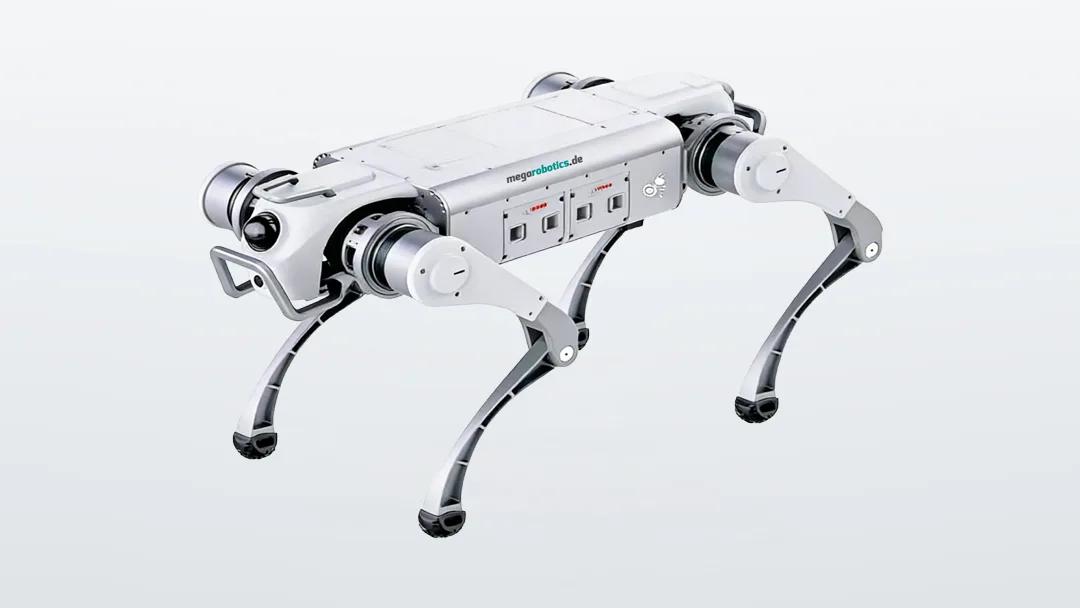
Quadruped / Legged Robots05

Quadruped / Legged Robots

Four-legged platforms for terrain-tolerant inspection and patrol in industrial environments.

Suitable applications
  • Facility inspection
  • Thermal imaging
  • Remote monitoring
Key selection criteria
  • Payload
  • Battery runtime
  • Sensor stack
  • IP rating
  • Tele-operation
Humanoid Robots06

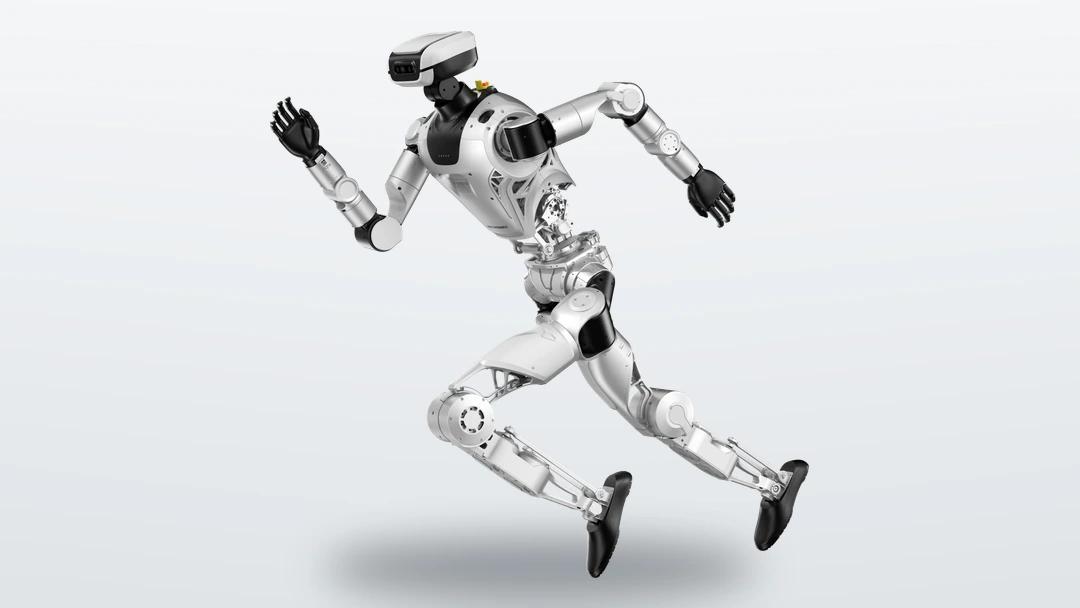
Humanoid Robots

Bi-pedal, bi-manual platforms used today in research and early-stage industrial pilots.

Suitable applications
  • Locomotion research
  • Manipulation studies
  • Human-robot interaction
Key selection criteria
  • Degrees of freedom
  • Battery
  • Safety
  • Software stack
  • Maturity
End Effectors & Robot Components07

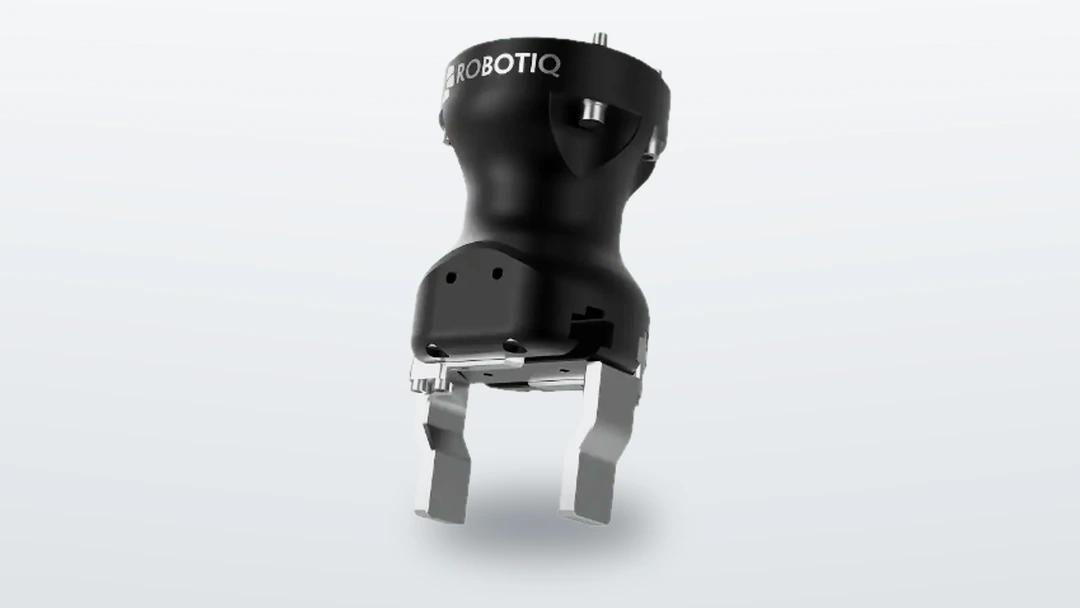
End Effectors & Robot Components

Grippers, force/torque sensors, controllers, joint modules and robot subsystems.

Suitable applications
  • Application-specific grasping
  • Force-controlled finishing
  • Custom robot cells
Key selection criteria
  • Grasp type
  • Force/torque range
  • Mounting interface
  • Lifetime
  • Service
Sensors, Vision and AI Control08

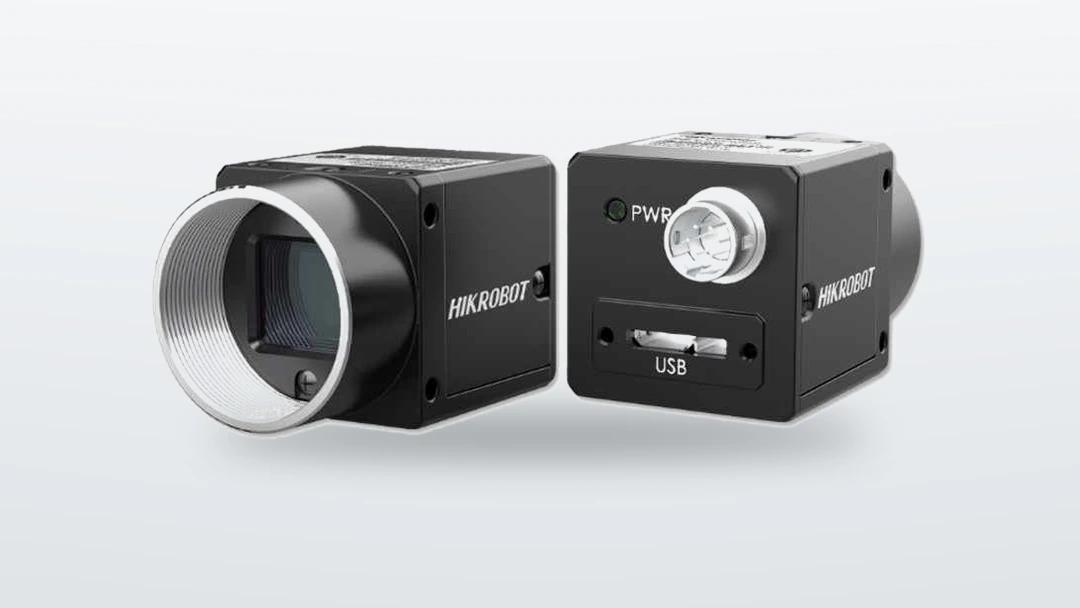
Sensors, Vision and AI Control

2D/3D cameras, LiDAR, perception software and AI-driven control stacks.

Suitable applications
  • Bin picking
  • Part inspection
  • Navigation
  • Manipulation planning
Key selection criteria
  • Accuracy
  • Frame rate
  • Lighting tolerance
  • Software ecosystem
  • Maintenance
Get in Touch

Tell us your automation challenge

Whether you are evaluating a robot for a factory, warehouse, research lab or service environment, MegaRobotics can help structure the first technical and commercial steps.